How to Start a Massage Business: A Practical Guide
Last updated October 25, 2026 · By StyleSeat Editorial Team
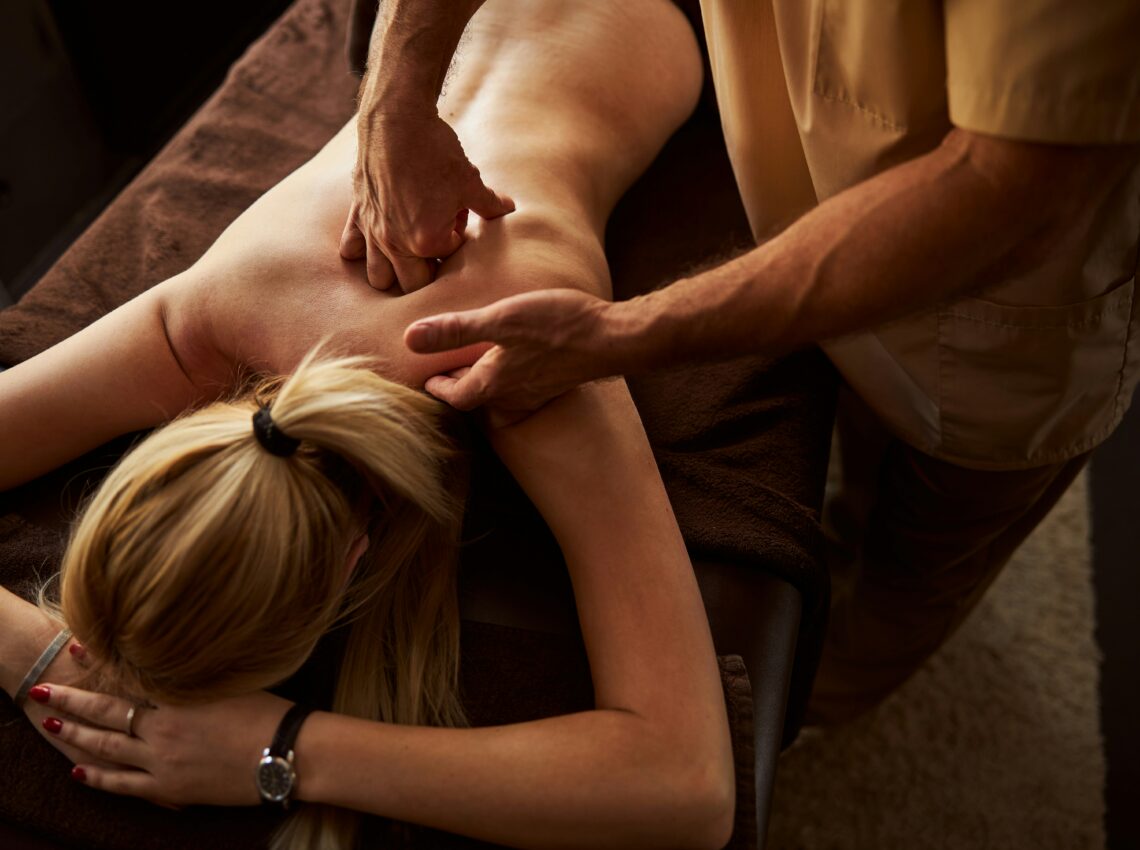
The treatment room still smells like fresh paint. A massage table sits under a soft lamp. Folded sheets are stacked on a shelf, with an oil warmer plugged in and ready. Every choice in that room shapes how a client feels. The sound machine, the face cradle, the lighting, it all matters.
Skilled hands get you in the door. A real business gets you a full calendar. Before your first client lies down, you need a plan for your space, licensing, and how clients will find you.
Short version
- Decide whether you’ll work mobile, rent a room, or open your own studio.
- Handle your licensing, insurance, and business basics before you book a single client.
- Build a treatment space that feels calm, clean, and consistent every visit.
- Use referrals, local outreach, and a marketplace listing to fill your calendar.
Pick the path that fits your budget
Most massage therapists start one of three ways. They go mobile, they rent a room inside an existing spa, or they open a small studio of their own. Each path asks for a different amount of money up front. Each one also asks for a different kind of schedule.
Mobile work usually needs the least money to start, since your table and supplies travel with you. Renting a room means a steady base, but a monthly cost even on slow weeks. A studio or storefront is the biggest commitment, and often makes sense once you have a steady client list.
| Business setup | What it takes | Best for |
|---|---|---|
| Mobile massage | A portable table, oils, and your own insurance | Therapists who want low overhead and flexible hours |
| Rented room | Monthly rent plus your own linens and tools | Therapists ready for a steady home base |
| Studio or storefront | A lease, buildout, and room to add staff later | Therapists ready to grow a team |
None of these paths is the single right one. Pick the setup that matches your savings and how much flexibility you need right now.
Handle licensing, insurance, and the paperwork first
Licensing rules for massage therapists vary by state and often by city. Many places require a certification or license, plus proof of training hours. Rules can also cover things like table sanitation and the use of certain oils.
Because these rules change often, check with your state licensing board before you open. An attorney or accountant can also help you choose a business structure and confirm your insurance needs.
Liability insurance is worth carrying no matter your setup. It can protect you if a client is injured or unhappy with a treatment. Many therapists also carry basic business insurance to cover their equipment and space.
Set up a space clients want to return to
Your space doesn’t need to be fancy, but it needs to feel consistent. Clean linens, dim lighting, and a quiet room matter more than expensive decor. Clients notice small details: a cold table, a strong scent, or noise from the next room.
Keep a simple routine for turning over your room between clients. Fresh sheets, a wipe-down of the table, and a moment of quiet before the next appointment help you stay calm. A rushed changeover is often the first thing a client feels, even if they can’t name it.
Fill your calendar with your first clients
Ask your first clients for referrals, and make it easy for them to share your name. A simple referral note or a small thank-you goes a long way in a service business.
Local outreach still works: a nearby gym, a chiropractor’s office, or a wellness studio may welcome a partnership. A shared flyer or a joint offer can introduce you to clients who already value bodywork.
A marketplace listing also puts your business in front of people actively searching for a massage therapist nearby.
Where StyleSeat fits in
Finding new clients is often the hardest part of starting out. StyleSeat’s marketplace draws more than 74 million visits a year. Over 2 million clients are actively searching for a new pro.
Payment processing is built in too. Card-present transactions run 2.5% + $0.30, and card-not-present bookings run 2.6% + $0.30.
For your marketing and reminders, there’s the $35-a-month subscription, now $19 during StyleSeat’s running promotion. It bundles client reminders, marketing tools, and marketplace access.
If your schedule fills up fast, SmartPricing can help too. Users average $385 more annually, and the busiest 10% clear over $1,000 more.
Starting a massage business takes more than a steady hand. It takes a plan for your space, your paperwork, and how clients will find you. Get those pieces in place, and the rest of your business has room to grow.
FAQ
How much money do I need to start a massage business?
Costs vary widely based on whether you go mobile, rent a room, or open a studio. Mobile setups usually need the least upfront, since your table and supplies travel with you. Talk to an accountant about a budget that fits your specific plan.
Do I need a special license to open a massage business?
Licensing rules vary by state and city, and many require certification or training hours. Check with your state licensing board for the exact requirements where you plan to work.
Should I go mobile, rent a room, or open my own studio?
It depends on your savings and how much flexibility you want. Mobile work has the lowest overhead. A rented room offers a steady base, and a studio suits therapists ready to grow a team.
How can StyleSeat help me find my first clients?
StyleSeat’s marketplace draws more than 74 million visits a year. Over 2 million clients are actively searching for a new pro. The $35-a-month subscription, now $19 during StyleSeat’s running promotion, adds marketing tools and client reminders.
Find a pro near you
Book the looks you are reading about — top-rated pros in your city.