No-Show Protection: A Practical Guide for Beauty Professionals
Last updated October 24, 2026 · By StyleSeat Editorial Team
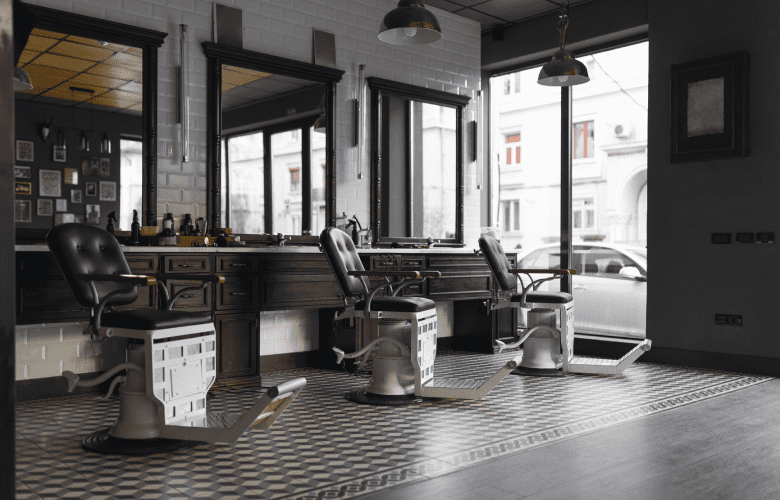
Three no-shows in one week. A barber checks his book on Friday and counts the empty chairs that should have had heads in them. Each one was booked, confirmed, and then simply skipped.
He didn’t lose the clients. He lost the hours. Those hours don’t come back, and no amount of hustle on Saturday makes up the difference.
Short version
- No-show protection means a policy plus a way to actually collect the fee.
- A card on file turns a fee from a request into something charged automatically.
- Clients need to see and accept the policy at booking, before any issue happens.
- Reminders sent ahead of time cut the number of no-shows a policy ever has to cover.
What a no-show actually costs
A missed appointment isn’t just one lost service. It’s a slot another client could have filled. For a solo pro, a handful of no-shows a month adds up to real, lost income over a year.
Chasing payment after the fact rarely works. A text goes unanswered. An invoice sits unpaid. The fee that was supposed to offset the loss becomes its own unpaid task on your list.
Comparing how pros actually protect their time
There are a few common approaches, and they aren’t equally reliable. Some depend entirely on the client following through. Others remove that step completely.
| Approach | Effort required | How reliably it collects |
|---|---|---|
| Ask nicely, no policy | Low | Rarely collects anything |
| Written policy, invoice after the fact | Medium | Depends on the client paying voluntarily |
| Policy plus card on file, charged automatically | Low, after setup | Collects at the time of the missed appointment |
The pattern is clear. A policy without a way to enforce it is closer to a suggestion. Automatic collection is what turns it into real protection.
Reducing no-shows before they happen
Protection isn’t only about collecting a fee after a miss. Reminders sent a day and an hour ahead catch clients who simply forgot. Most no-shows aren’t defiance. They’re a calendar that slipped someone’s mind.
Confirming the appointment at booking, in plain language, also helps. A client who reads and accepts a policy up front is far less likely to treat the slot casually.
Where StyleSeat fits in
On StyleSeat, pros set a cancellation and no-show policy that clients see and accept when they book. When a client misses the appointment, the fee can be charged automatically to the card on file. No invoice or awkward follow-up needed.
This is part of the $35-a-month subscription, now $19 during StyleSeat’s running promotion. It bundles client reminders, marketing tools, and marketplace access together. StyleSeat’s marketplace draws more than 74 million visits a year. Over 2 million clients are actively searching for a new pro there. Protecting your existing schedule and filling new slots end up working side by side.
No-show protection isn’t about penalizing clients. It’s about making sure a booked hour is worth something, whether or not that client shows up.
FAQ
What is no-show protection for beauty professionals?
It pairs a clear policy with a real way to collect the fee. Together, they compensate a pro when a booked client doesn’t show.
Does a written policy alone stop no-shows?
Not on its own. A policy with no way to enforce it depends on the client paying voluntarily, which often doesn’t happen.
How does charging a card on file work for a no-show fee?
The client agrees to the policy at booking, with a card already saved. If they miss the appointment, the fee is charged automatically.
Do reminders actually reduce no-shows?
Yes. Many no-shows come from a forgotten appointment, not a deliberate skip, so a well-timed reminder prevents plenty of them.
Find a pro near you
Book the looks you are reading about — top-rated pros in your city.