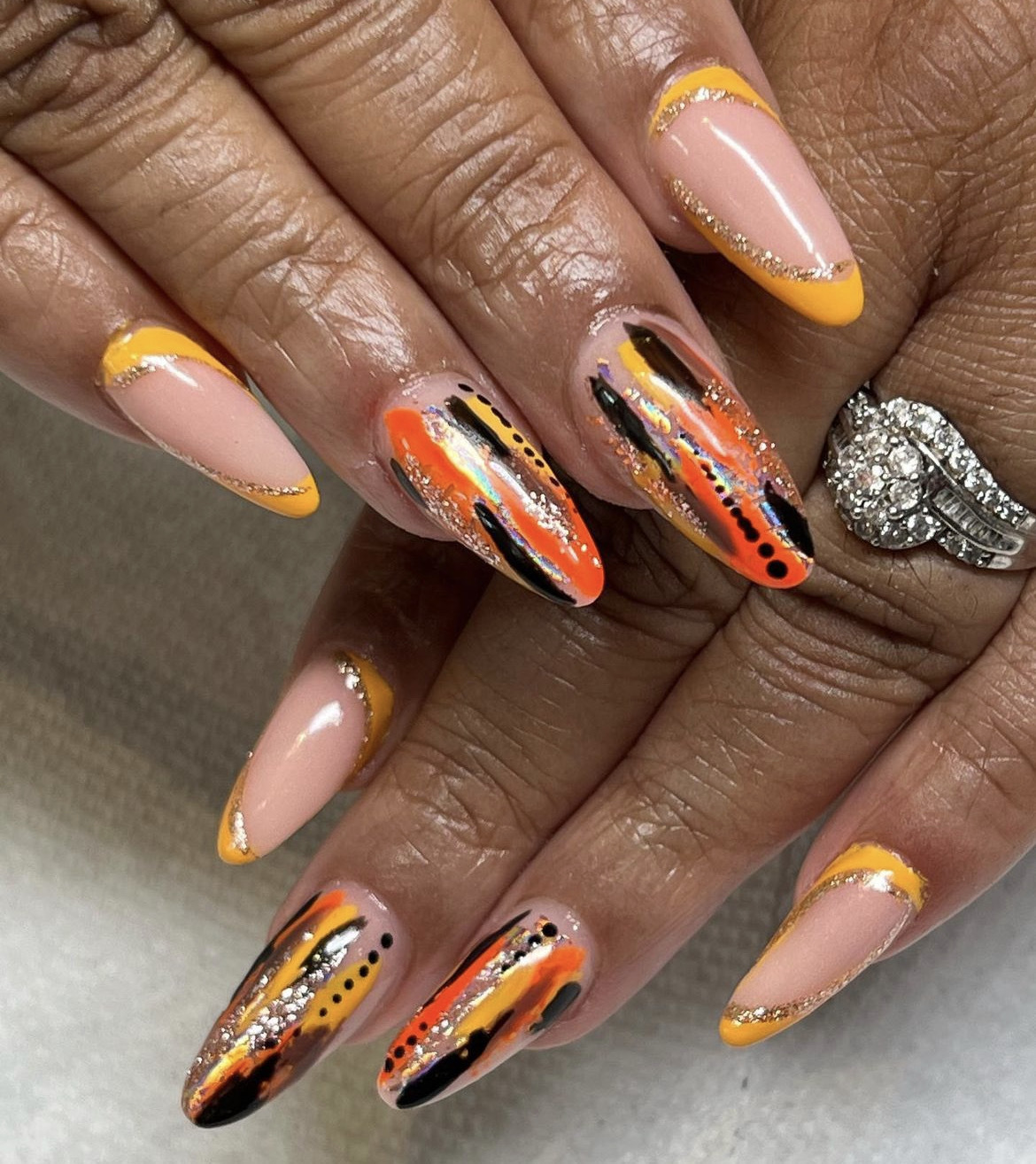
How Much Do Nail Techs Make? 2026 Earnings Benchmarks

Last updated October 24, 2026 · By StyleSeat Editorial Team
The UV lamp clicks off, and a coat of gel polish sets glossy under the light. Acetone and lotion mix in the air of the small studio. A stack of appointment cards sits on the desk, half of them already rebooked. The tech wipes down the table before the next client walks in.
Nail techs get asked the same question a lot: is this actually a living, not just a side gig? The honest answer depends on chair cost, service menu, and how often clients return. A tech doing basic manicures all day earns differently than one known for detailed nail art. Structure and specialty shape the number as much as hours worked.
Short version
- Structure decides a lot: salon employee, booth renter, and independent studio owner all get paid differently.
- Add-on services like nail art, gel extensions, and dip powder raise the ticket without adding many more clients.
- Retail and product upsells create a small but steady bump on top of service revenue.
- Rebooking and repeat clients matter more than one-time walk-ins for steady income.
What actually drives a nail tech’s pay
Pay structure sets the floor before anything else comes into play. A salon employee earns an hourly rate or a percentage of each service, with the salon handling scheduling and supplies. A booth renter keeps the full ticket, but rent is due whether the day is packed or slow. An independent studio owner keeps the most per client while covering every cost alone.
Nail services tend to run shorter than many other beauty appointments. That means volume plays a bigger role in daily income. Add-ons like gel extensions, dip powder, and detailed nail art raise the ticket without adding much time to the appointment. Retail sales, like polish or cuticle oil, add a smaller but steady bump for techs who sell them well.
Salon employee vs. booth rent vs. independent studio
Each structure changes how income actually flows for a nail tech. An employee trades some upside for steadier support, since the salon handles booking and marketing. A booth renter keeps every dollar a client pays but owes rent regardless of turnout. An independent studio owner carries the most cost and the most control, running the whole business solo.
| Structure | How pay works | Main cost or risk | Best fit |
|---|---|---|---|
| Salon employee | Hourly rate or percentage per service | Limited control over pricing and schedule | New techs building skill and a client list |
| Booth or table renter | Keeps the full ticket and tips | Rent due regardless of how full the day is | Techs with a steady, returning clientele |
| Independent studio owner | Keeps ticket revenue plus retail margin | Covers rent, supplies, and marketing alone | Techs ready to run every part of the business |
Why add-ons and retail matter so much
Because nail appointments run shorter, ticket size carries more weight than in longer services. A basic manicure and a full set of gel extensions take a similar amount of chair time. They price very differently. Techs who build a menu around add-ons often see a real difference in weekly totals.
Retail product sales rarely make or break a week alone, but they add up over months. A tech who consistently recommends the right home-care products builds a small, steady stream of extra income. That stream compounds alongside a growing, loyal client list.
Where StyleSeat fits in
Nail techs often see more clients in a day than services with longer appointments. That makes marketplace visibility especially valuable. StyleSeat’s marketplace draws more than 74 million visits a year. Over 2 million clients are actively searching for a new pro. The $35-a-month subscription, now $19 during StyleSeat’s running promotion, bundles client reminders, marketing tools, and marketplace access into one place.
A full day of appointments still needs to add up to real income. SmartPricing adjusts prices with demand, and pros using it average $385 more annually. The busiest 10% clear over $1,000 more. Card payments run 2.5% + $0.30 card-present, or 2.6% + $0.30 card-not-present, straightforward costs a tech can plan around.
Nail tech pay depends on structure, speed, and the small upsells that add up over a full day. The right studio setup, and the right client pipeline, shape take-home pay more than any single figure ever could.
FAQ
Do nail techs make more as employees or renting a booth?
It depends on how established the client list already is. Newer techs often benefit from an employee setup and its built-in support. Experienced techs with a full schedule often keep more renting their own booth.
Does nail art or gel work pay more than basic manicures?
Detailed nail art and gel or dip services typically carry a higher price than a basic manicure. They take specialized skill, which supports charging more for the extra time and precision.
How much do retail sales add to a nail tech’s income?
Retail sales usually add a smaller, steady amount rather than a dramatic jump. Over months, consistent product recommendations can meaningfully add to total earnings.
How many clients can a nail tech realistically see in a day?
Nail services often run shorter than many other beauty appointments, so techs can typically see more clients per day. The exact number depends on service menu and how the schedule is built.
Find a pro near you
Book the looks you are reading about — top-rated pros in your city.