How Much Do Massage Therapists Make? 2026 Earnings Benchmarks

Last updated October 24, 2026 · By StyleSeat Editorial Team
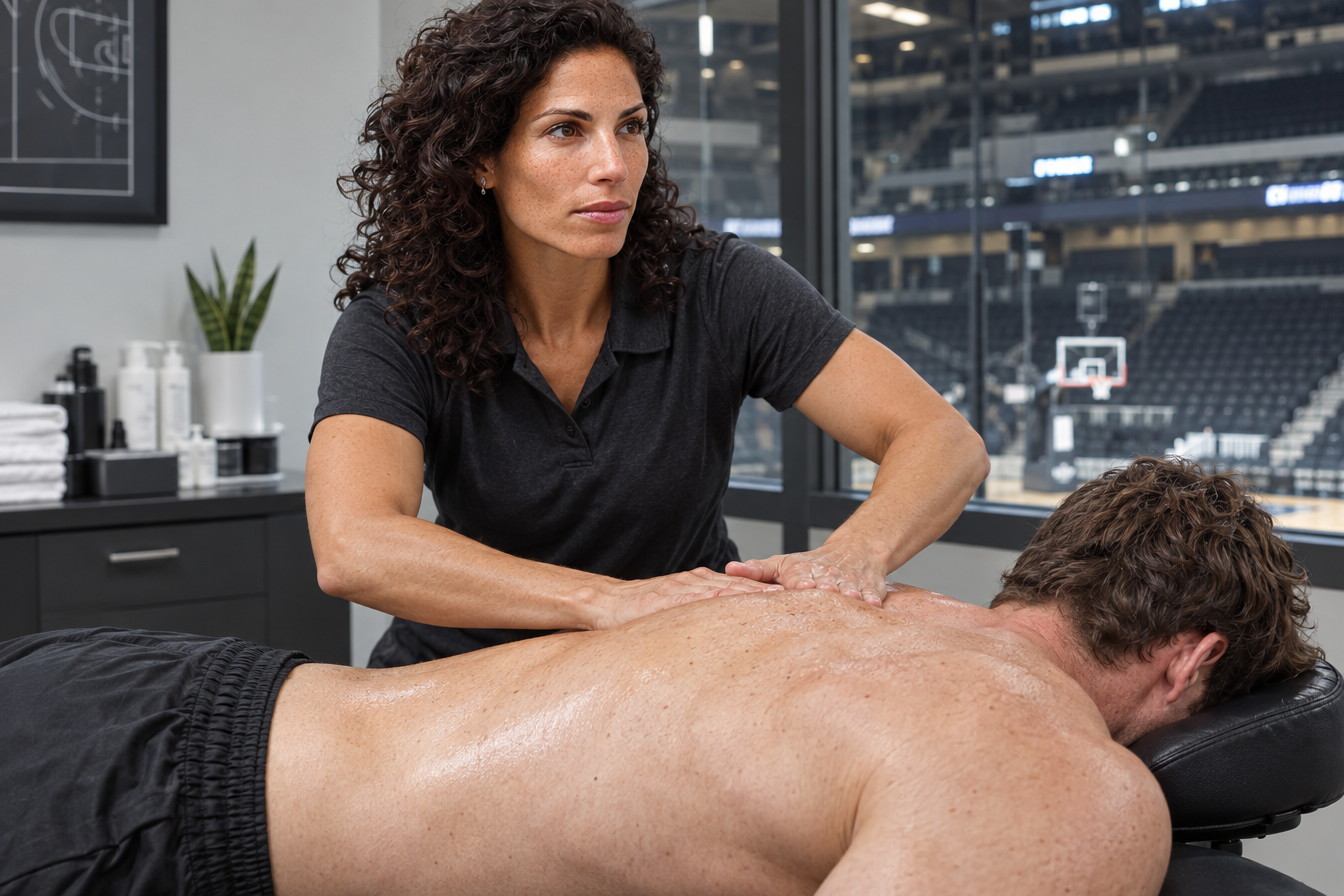
The therapist peels off a fresh pair of gloves and starts folding warm towels straight from the dryer. The room smells like eucalyptus and warm cotton. Her forearms ache from the last deep tissue session. She still has one more client on the books before the lights go off.
What she takes home tonight depends on more than how many people walked through the door. Whether she’s paid a percentage of each session or an hourly rate changes the math completely. So does whether she owns her table or works inside someone else’s spa. Two therapists with the same skill can end the week with very different totals.
Short version
- Pay structure is the biggest lever: commission, hourly, and independent therapists all get paid differently for the same session.
- Tips and rebooking rates fill in the gaps a slow referral month leaves behind.
- Specializing in deep tissue, prenatal, or sports work can support a higher per-session rate.
- The body has a real limit on sessions per day, so ticket size matters more than volume alone.
What actually drives a massage therapist’s pay
Pay structure sets the baseline before anything else comes into play. A spa employee earns an hourly rate or a percentage of each session, with the business handling scheduling and marketing. A therapist renting a room keeps the full session fee, but owes rent whether the calendar is full or empty. An independent or mobile therapist sets their own rates and keeps everything, while covering every cost themselves.
Tips add up differently across markets and clientele. Specializing in a modality, deep tissue, prenatal, sports recovery, or lymphatic work, lets a therapist charge more per session. It also helps a therapist stand out from a general-practice list. Add-on time, hot stone work or aromatherapy, raises the ticket without adding many more clients to the day.
Employed vs. independent
Each setup shifts the balance between steady support and full control. An employee trades some upside for consistent bookings and someone else managing the schedule. A room renter keeps more per session but absorbs the fixed cost of rent regardless of turnout. An independent or mobile therapist carries the most responsibility. They also keep the most potential upside, running every part of the business alone.
| Structure | How pay works | Main cost or risk | Best fit |
|---|---|---|---|
| Spa or clinic employee | Hourly rate or percentage per session | Limited control over pricing and schedule | Newer therapists building experience and referrals |
| Room renter | Keeps the full session fee | Rent due even during a slow week | Therapists with an established, returning client list |
| Independent or mobile practice | Sets and keeps their own rates | Covers supplies, travel, insurance, and marketing | Experienced therapists ready to run a full practice |
The physical ceiling most schedules run into
Bodywork is physically demanding in a way that limits how many sessions fit into one day. Even a fully booked calendar has a ceiling. Deep tissue work takes a real toll on a therapist’s hands and back. That ceiling makes each booked hour more valuable than in less physically taxing services.
Because volume has a natural limit, ticket size matters more for massage therapists than for many other beauty professions. Add-on modalities, package deals, and retail products like oils or muscle balms all raise revenue without adding more sessions. Building a client list that rebooks regularly protects income on the days a therapist needs to rest.
Where StyleSeat fits in
A massage therapist’s schedule only pays when someone actually books and shows up for the appointment. StyleSeat’s marketplace draws more than 74 million visits a year. Over 2 million clients are actively searching for a new pro. That visibility can fill the exact time slots that word-of-mouth alone leaves open. Collecting payment for a session runs 2.5% + $0.30 card-present, or 2.6% + $0.30 card-not-present.
A full session calendar still needs to translate into real income at the end of the month. SmartPricing adjusts rates with demand, and pros using it average $385 more annually. The busiest 10% clear over $1,000 more. The $35-a-month subscription, now $19 during StyleSeat’s running promotion, bundles client reminders that cut down on late cancellations.
Massage therapy pay comes down to structure, stamina, and the clients who keep coming back. The right setup shapes a therapist’s income. So do the right tools to fill a calendar, far more than any single average ever could.
FAQ
Do massage therapists make more as employees or as independent professionals?
It depends on experience and how established the client list already is. Newer therapists often benefit from an employee setup and its built-in referrals. Experienced therapists with a full book often keep more working independently.
How many massage sessions can a therapist realistically do in a day?
The physical demands of bodywork put a natural limit on daily sessions. Exact limits vary by therapist, modality, and how the day is scheduled around rest.
Does specializing in a certain type of massage increase pay?
Specializing in a modality like deep tissue, sports, or prenatal work can support a higher per-session rate. It also helps a therapist stand out from a general-practice list.
How much do tips matter for massage therapists?
Tips can add a meaningful amount to a session’s total, though habits vary by market and clientele. Consistent regulars tend to tip more predictably than one-time visitors.
Find a pro near you
Book the looks you are reading about — top-rated pros in your city.