Beauty Supply Costs: How Pros Stock Smarter in 2026

Product is the one expense in your business that quietly grows on its own. A few extra bottles here, a bulk buy you never got through there, and suddenly your beauty supply spending is eating a chunk of every service you sell.
Here’s how to get it back under control without downgrading what you put on your clients’ hair.
How Much Should Beauty Supply Cost You Each Month?
A healthy target for backbar and product is 5% to 10% of service revenue. If you’re booking $8,000 a month in services, that’s roughly $400 to $800 in supplies.
Above 12%, something is off — usually one of these:
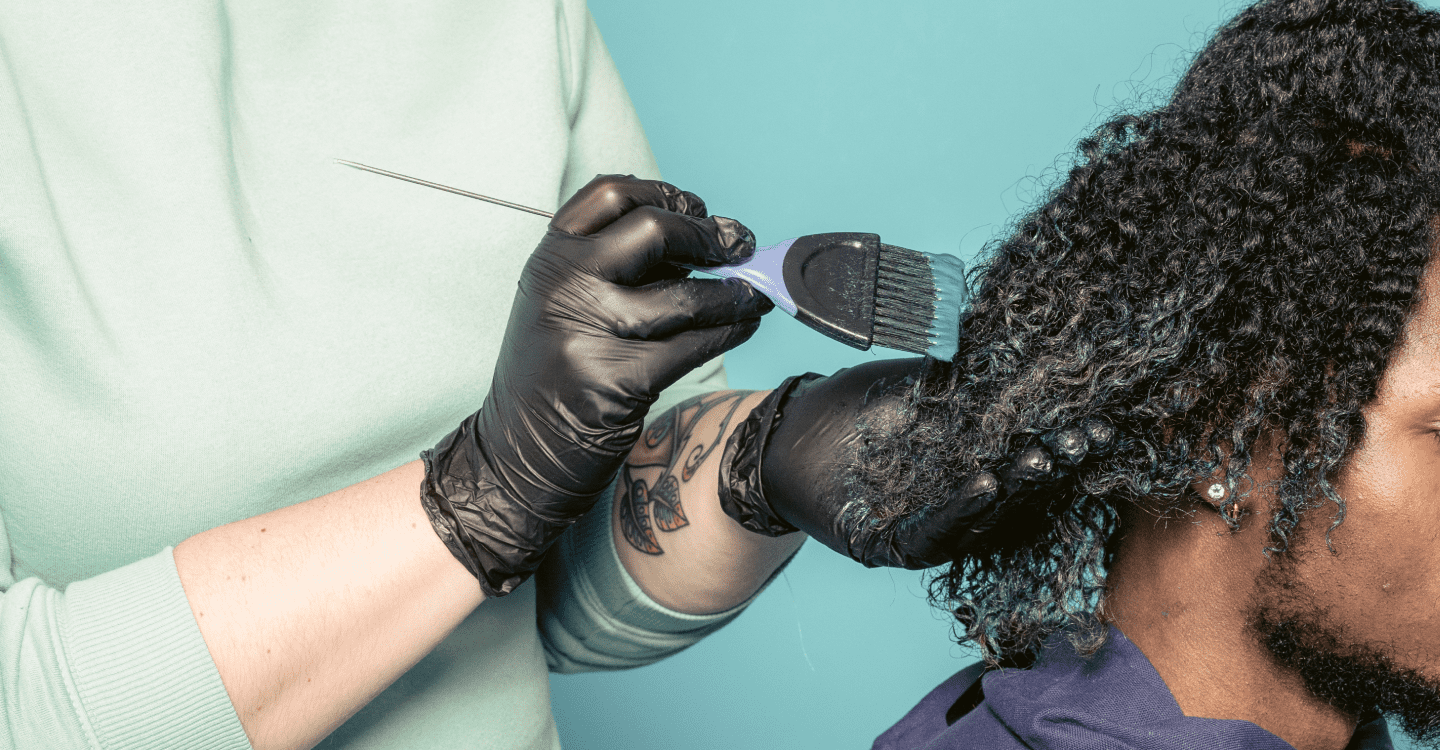
- Over-mixing color. Mixing 60g when 45g would do, on 15 clients a week, is hundreds of dollars a month down the drain.
- No price adjustment for long or dense hair. A bowl-and-a-half of color should be a bowl-and-a-half charge.
- Too many SKUs. Twelve half-used shampoos cost more than four you actually finish.
- Buying retail-priced product for backbar use.
Track it for one month before you change anything. Most pros are surprised by which category is actually the leak.
Where Should You Buy: Distributor, Beauty Supply Store, or Online?
Each channel has a job. Using all three deliberately beats defaulting to whichever is closest.
- Professional distributors (with your license on file) are best for color, developer, and backbar. Case pricing typically saves 25% to 40% over walk-in retail, and reps often comp education.
- Local beauty supply stores are for the emergency 5 p.m. run and for testing a product before you commit to a case.
- Online works for tools, disposables, capes, and towels — but be careful with diverted color. If the seller isn’t authorized, you have no recourse when a batch processes strangely.
Set a standing order for the five products you never want to run out of. Emergency buying at full retail is where margin goes to die.
How Do You Price Product Into Your Services?
Product cost belongs in your service price, not in a separate awkward conversation at checkout.
The math is simple: figure your true cost per service, then price so product is under 10% of the ticket. If a full balayage uses $18 in lightener, toner, and bond builder, a $95 service is too thin — that same service usually sits between $150 and $300 depending on your market.
Two adjustments worth building into your menu:
- A length and density surcharge of $20 to $50, stated up front, so extra product never comes out of your pay.
- Add-on treatments priced separately — bond builders, glosses, and scalp treatments cost you $3 to $8 and sell for $25 to $45.
Clients compare prices before they book, so make sure yours are visible and current. Pros on StyleSeat set their own prices and can list add-ons as bookable services, which makes upsells happen before the client is even in your chair.
Is Retailing Products Actually Worth It?
It can be, but only if you keep the shelf small. Retail typically carries a 50% margin, which means $500 in monthly sales adds about $250 in profit for work you’re already doing.
What makes retail work:
- Stock three to five products, not thirty. Sell what you actually used during the appointment.
- Recommend at the chair, not the register. “This is the cream I used on your ends” converts far better than a display.
- Reorder on a schedule. Product sitting for six months is cash you can’t use.
If retail feels like a stretch right now, put that energy into filling your calendar instead. A booked-out week is worth more than a full retail shelf. Listing your services on StyleSeat puts you in front of clients searching in your area who are ready to book.
Ready to make your beauty supply spending work harder for your business? Create your profile on StyleSeat and start getting booked by new clients in your area.
Find a pro near you
Book the looks you are reading about — top-rated pros in your city.