Digital Payment Methods: What’s Worth Offering Clients in 2026
Last updated October 24, 2026 · By StyleSeat Editorial Team
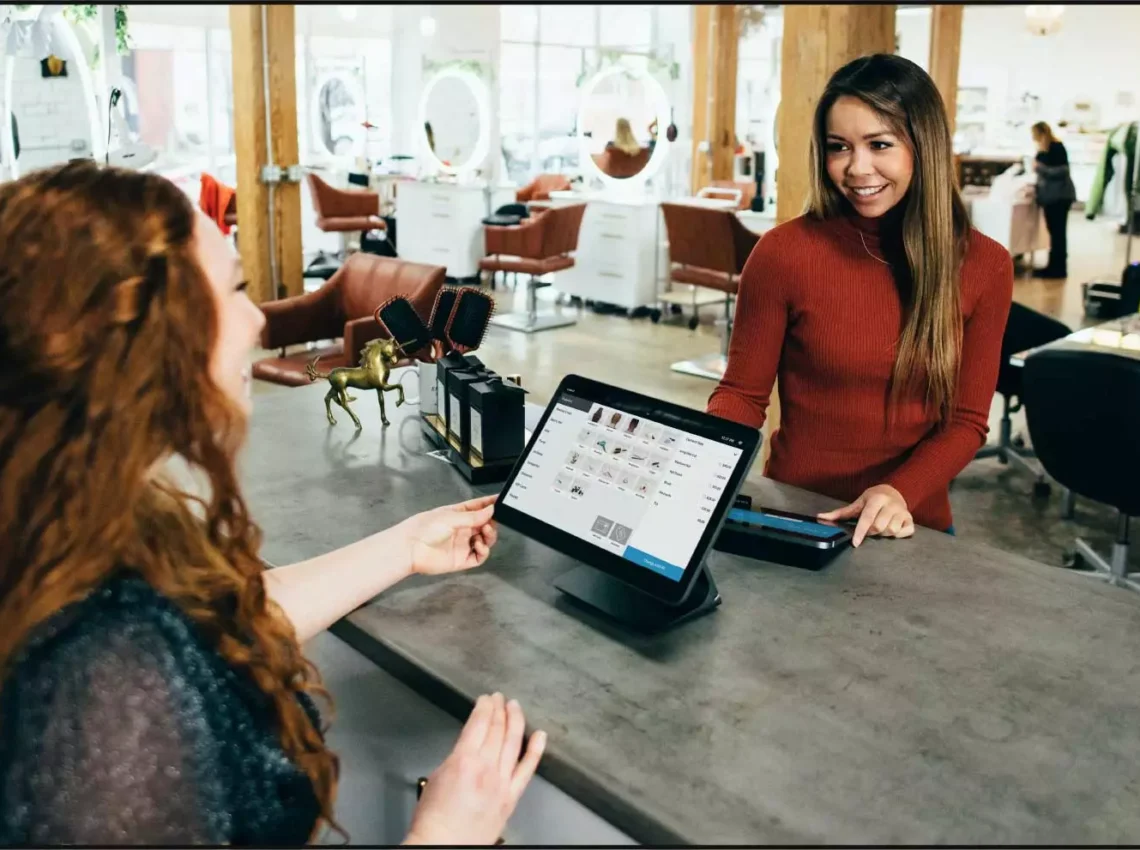
A client asks if you take Afterpay for a $400 color correction. Another wants to Venmo you directly. A third just taps her phone and walks out before you’ve finished saying thank you. Three appointments, three completely different expectations, all in one afternoon.
You can’t chase every payment trend that shows up on a client’s phone. But a few of them are worth having ready, and a few are worth politely skipping.
Short version
- Cards, tap-to-pay, and digital wallets remain the core. Almost every client already expects at least one of them.
- Buy-now-pay-later tools can help with big-ticket services, but they usually shift an added fee onto you.
- Peer-to-peer apps like Venmo work fine between friends, but they skip the protections a real processor includes.
- StyleSeat bundles payment processing at 2.5% + $0.30 card-present into one platform, instead of several stitched-together apps.
The current payment landscape
Clients now carry more ways to pay than most pros can realistically track. Here’s how the main options actually stack up for a service business.
| Method | Best for | Trade-off |
|---|---|---|
| Card, tap, or digital wallet | Everyday services | Standard processing fee, industry-wide |
| Buy-now-pay-later | Big-ticket services like extensions or corrections | Added fee often passed to the business |
| Peer-to-peer apps (Venmo, Cash App) | Casual, low-stakes transfers | No purchase protection, not built for business use |
| Cash | Tips or personal preference | No automatic reminders or record-keeping |
What’s actually worth adding
Start with the basics done well: cards, tap-to-pay, and a digital wallet option. That covers the vast majority of clients without adding complexity to your setup.
Buy-now-pay-later can make sense for higher-ticket services, where spreading out cost helps a client say yes. Just factor the added fee into your pricing before you offer it. Peer-to-peer apps are fine for a tip from a friend, but they were never built to protect a business transaction.
The judgment call behind every price
No payment method decides what a service is worth. That comes from a trained eye. It knows a bleach job needs an extra session, or that a fade needs a slower hand around the ears. Years of doing the work built that judgment, and it’s the actual product clients are paying for.
Where StyleSeat fits in
StyleSeat’s payment processing covers cards, tap-to-pay, and digital wallets. Rates run 2.5% + $0.30 card-present, or 2.6% + $0.30 when the card isn’t physically there. It’s part of the $35-a-month subscription, currently $19 a month during StyleSeat’s running promotion. That subscription also includes client reminders, marketing tools, and the marketplace.
That marketplace pulls in over 74 million visits a year. More than 2 million clients are actively searching for pros to book. One system covers the payment methods that actually matter, instead of a pile of separate apps.
FAQ
Should I accept Venmo or Cash App for services?
They’re fine for tips, but they’re not built for business transactions. They offer no purchase protection and no automatic record for taxes.
Is buy-now-pay-later worth offering?
It can help close bigger services, but it usually adds a fee that lands on the business. Factor that cost into your pricing first.
What payment methods should every beauty pro accept in 2026?
At minimum, a card reader with tap-to-pay and digital wallet support. That covers the majority of client expectations without added complexity.
Does StyleSeat handle all of this in one place?
Yes. Cards, taps, and digital wallets all run through the same processing setup, alongside booking and reminders.
You don’t need to chase every new way to pay. Pick the handful that actually serve your clients. Let the rest of your energy go back into the work that made them book you in the first place.
Find a pro near you
Book the looks you are reading about — top-rated pros in your city.